Lend money to companies and earn interest.
When a company needs capital, it borrows. Buy its bond and you are the lender: interest on a set schedule, principal scheduled to return at maturity.
Payments depend on the issuer's ability to pay. That is exactly why credit quality matters, and why a Siebert advisor helps you evaluate it before you buy.


Income on a schedule. Interest arrives on set dates, as long as the issuer meets its obligations.
Put long-term cash to work. Corporate bonds have historically out-yielded savings and money market accounts. Know the tradeoffs: no FDIC insurance, prices fluctuate, and repayment depends on the issuer.
Balance for an equity-heavy portfolio. Investment-grade bonds have historically shown lower price volatility than stocks, though bond prices do move.
A date on the calendar. Every bond matures, with principal scheduled to be repaid at maturity. Sell early and you may receive more or less than face value.

*Important information about bond investing. All bonds involve risk, including possible loss of principal. Bond values fall when interest rates rise. Payments of interest and principal depend on the issuer's ability to pay; issuers can and do default. Bonds sold before maturity may be worth more or less than their original cost. Corporate bonds are not bank deposits, are not FDIC insured, and are not guaranteed by any bank or government agency. Yields and availability vary. Past performance does not guarantee future results.
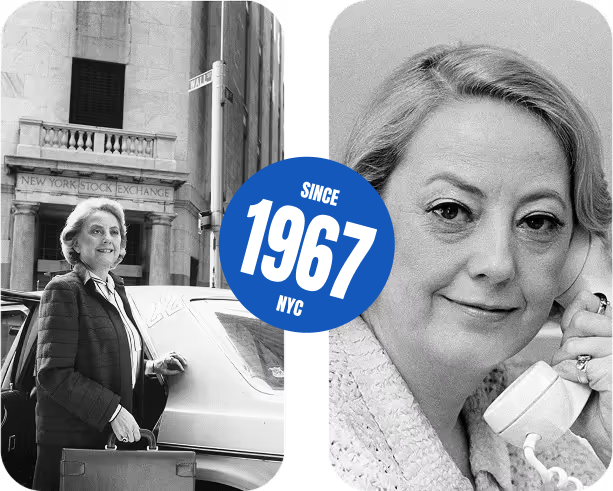
Siebert is a diversified financial services company with a legacy of breaking barriers. We've been a proud member of the New York Stock Exchange since 1967, the same year our founder, Muriel "Mickie" Siebert, made history as the first woman to own a seat on the NYSE and the first to lead one of its member firms.
She didn't just open doors, she kicked them open, paving the way for generations to come. Today, that same spirit of indomitability and fearlessness drives everything we do. We believe wealth is more than numbers, it's knowledge, confidence, and freedom. And just like Mickie did, we're here to help our clients rise, invest, and own their future.
Drop your info and a Siebert wealth manager will reach out to you.


